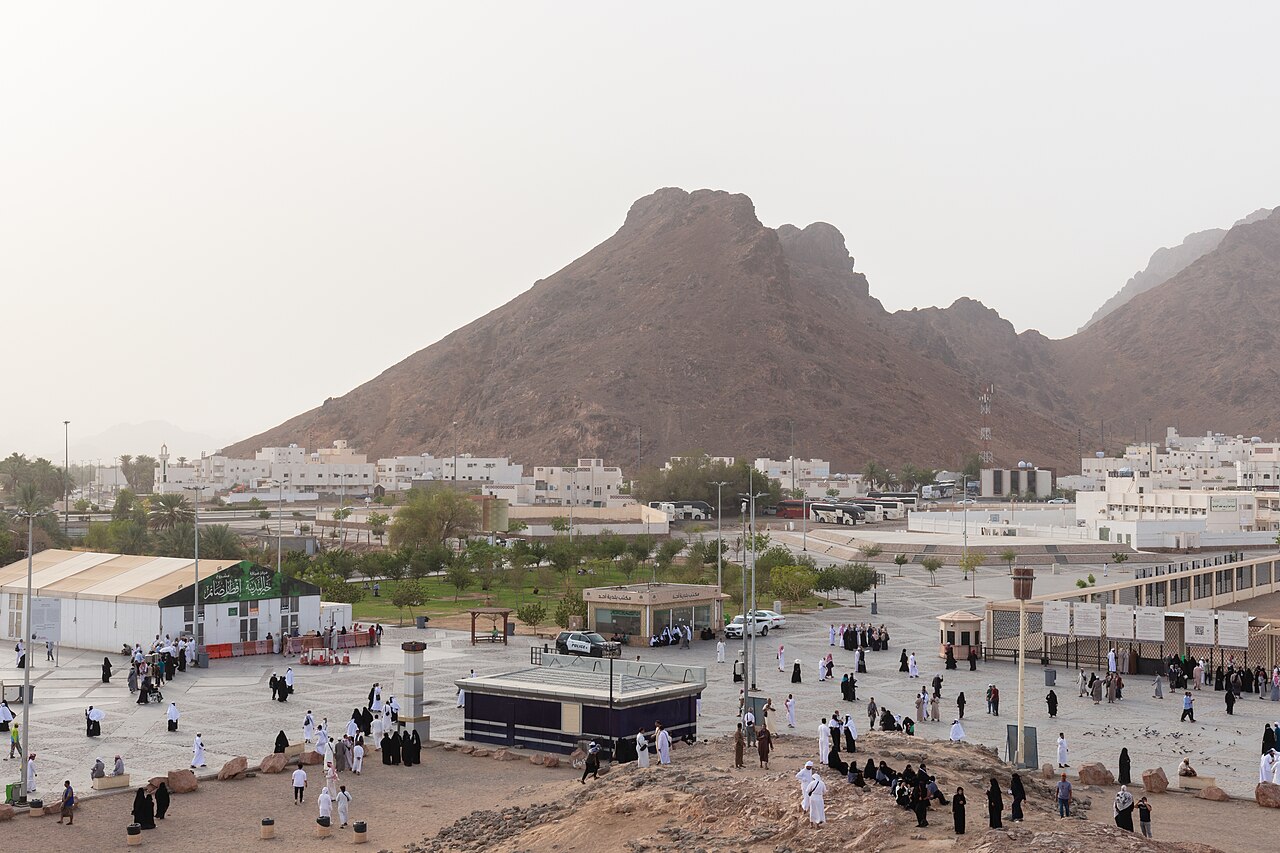
When revelation named the error without polishing it
Al-Barāʾ ibn ʿĀzib reports in Ṣaḥīḥ al-Bukhārī 4043–4044 that the Prophet ﷺ stationed a group of archers under ʿAbdullāh ibn Jubayr and ordered them not to leave whether the Muslims appeared to win or lose. When victory seemed near, some left while their commander reminded them of the instruction. That authenticated report is the historical core used here; this article does not claim certainty for every additional battlefield detail found in later sīrah works.
Qur’an 3:152 describes the reversal with striking candor: faltering, disputing the command, and disobeying after being shown what they desired, while some sought this world and others the Hereafter. The account does not soothe the believers by assigning every cause outside themselves. Yet the same verse says that Allah pardoned them. Error and pardon are held together without either being erased.
Grief is not a denial of faith
After injury and loss came the address, ‘Do not falter or grieve’ in Qur’an 3:139, followed by the reminder that such days alternate among people in 3:140. The verses do not deny that wounds hurt, nor do they ask believers to pretend the setback was painless. They refuse to let grief become permanent collapse or a triumphalist reading of history.
This matters when reading sīrah. Steadfastness is not the absence of emotion, and reliance on Allah is not denial of causes. The Qur’an names faltering, dispute, and disobedience, then restores perspective through trial, purification, and hope. Uḥud should therefore be reduced neither to a slogan nor to a story of despair.
Mercy that does not cancel responsibility
After addressing what happened, Allah tells His Messenger ﷺ that it was by divine mercy that he was gentle with them, and commands him to pardon them and seek forgiveness for them (Qur’an 3:159). Gentleness does not make the error vague; it had already been identified. Rather, it keeps accountability from turning into humiliation and rupture.
The verse adds a precise leadership warning: harsh speech and a hard heart would have scattered people from around him. Cohesion is therefore protected neither by hiding the truth nor by cruelty, but by truth that faces failure and mercy that makes return possible. This is an ethical reading of the verse’s sequence, not a newly invented legal rule.
Consultation survived the setback
The command does not stop at pardon: ‘Consult them in the matter’ (3:159). Ibn Kathīr discusses the verse as a command to consult, and recognized commentary places it in the aftermath of Uḥud. Those among whom failure had occurred were not all expelled from participation; formation and responsibility continued within the community.
Consultation, however, is not endless indecision. The verse concludes: once you resolve, trust in Allah. The sequence is complete—gentleness, pardon and prayer for forgiveness, consultation, decision, then reliance. Decision does not dispense with counsel, and counsel does not prevent resolve.
Returning to action while still wounded
Qur’an 3:172–174 praises those who answered Allah and the Messenger after injury had touched them. The established point is that wounds did not end faithful agency: there was response, excellence, mindfulness of Allah, and a return with grace and bounty. We need not import modern psychological labels to see that Qur’anic recovery involves obedient movement, not only an inward feeling.
This article rests on the Qur’anic text and the authenticated Bukhārī report. Exact reconstructions of every military movement, or the intention of each named individual, belong to historical material of differing strength and are unnecessary here. The clearest pattern remains: know the truth, make room for pardon, retain consultation, and resume responsible action while relying on Allah.
Texts and references checked on 6 August 2026
Texts and references
- Qur’an 3:139–140 — grief, steadfastness, and changing daysQuran.com ↗
- Qur’an 3:152 — disobedience, trial, and pardonQuran.com ↗
- Qur’an 3:159 — gentleness, pardon, consultation, and trustQuran.com ↗
- Qur’an 3:172–174 — answering the call after injuryQuran.com ↗
- Ṣaḥīḥ al-Bukhārī 4043–4044 — the archers at UḥudSunnah.com ↗
- Tafsīr Ibn Kathīr on Qur’an 3:159 — consultation after UḥudQuran.com ↗