A small question preserved a large lesson
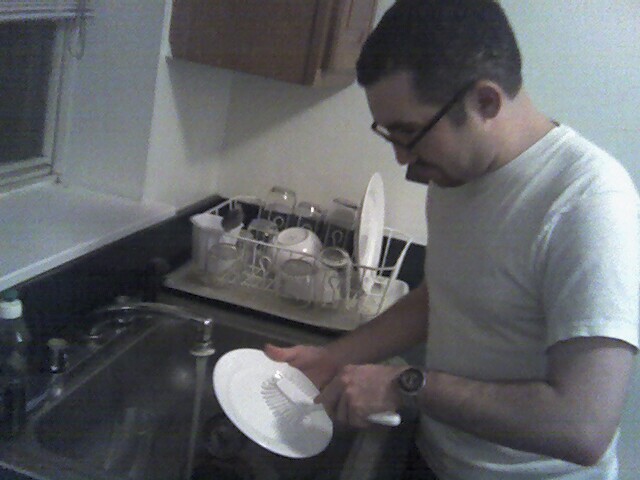
Al-Aswad ibn Yazīd asked Mother of the Believers ʿĀʾishah what the Prophet ﷺ did at home. She replied that he kept himself busy serving his family, and when prayer time came he went out to pray. The report is Ṣaḥīḥ al-Bukhārī 676. Its force lies in its ordinariness: she describes a domestic habit, not a public performance.
The report itself explains the phrase as service to his family. The Dorar hadith commentary reads it as helping with household needs and attending to what one can, while promptly answering the call to prayer. The sound report is enough; the lesson does not need embellished anecdotes.
Greatness without distance
He ﷺ was a Messenger, teacher, and community leader, yet rank did not become a wall between him and the needs of his household. Humility becomes concrete here: remaining close enough to notice, help, and serve without treating daily care as beneath one’s dignity.
Qur’an 33:21 names the Messenger of Allah as an excellent example. The verse’s immediate context concerns steadfastness, while the broader principle of following his verified example includes soundly transmitted conduct. This article does not turn one report into a binding chore chart; detailed marital duties are a matter of jurisprudence and qualified scholarship.
Gentleness made visible
ʿĀʾishah also reported that the Messenger of Allah ﷺ never struck a woman or a servant with his hand; this is recorded in Ṣaḥīḥ Muslim 2328a. Again, testimony from inside the home gives ethical language a practical measure: restraint and safety, not merely praise of mercy.
In Ṣaḥīḥ Muslim 2594a, he ﷺ taught that gentleness adorns whatever contains it and its absence mars a matter. At home, this begins with tone, how help is requested, and the ability to pause before cruelty. Gentleness does not erase boundaries or responsibility; it changes how they are carried.
Household service and the call to prayer
The Bukhārī report ends with movement: when prayer arrived, he went to prayer. Serving family did not become a reason to neglect worship, and worship was not presented as a reason for permanent withdrawal from household responsibility. The narration holds both duties in a quiet balance.
The closest practical reading is not frantic productivity. It is attentiveness to the right duty at the right time: moving from service to worship without despising the first or delaying the second. Home becomes a field of character, while prayer keeps the heart oriented.
What is established—and what is editorial reflection
Established by the cited texts: he ﷺ served his family, left for prayer when its time came, did not strike a woman or servant, and taught the beauty of gentleness. Each claim is tied below to a named Qur’anic verse or authenticated hadith.
The suggestion that shared daily work can build trust or reduce another person’s sense of carrying the home alone is an editorial reflection, not the wording of a hadith and not an independent religious ruling. It may help readers apply the moral insight while keeping the boundary around revelation clear.
Texts and references checked on 2 August 2026