The question that locates the account
ʿĀʾishah asked the Prophet ﷺ whether he had faced a day harder than Uḥud. He answered by recalling the day of al-ʿAqabah, when he presented his message to Ibn ʿAbd Yalīl and received no response. This core is established in Ṣaḥīḥ al-Bukhārī 3231 and Ṣaḥīḥ Muslim 1795; it is firmer ground than embellished retellings whose details are not in this report.
The narration says he departed distressed and only became fully aware of his surroundings at Qarn al-Thaʿālib. The pain is not edited out. Mercy here does not mean pretending no wound occurred; it begins with refusing to treat pain as automatic permission for retaliation.
Real power, and an unhurried answer
Jibrīl told him that God had heard the people’s reply. The Angel of the Mountains then offered to bring the two mountains together over them. The Prophet ﷺ answered that he instead hoped God would bring from their descendants people who worshipped God alone. That is the authenticated centre of the account.
The report establishes that destruction was not chosen when it was offered. It does not turn the event into a legal formula for every modern conflict. Its moral light can guide reflection, while questions of rights, penalties, and public order still require their proper scholarly and legal settings.
Hope is not denial of harm
Nothing in the hadith calls the rejection acceptable or says the hurt was unreal. It holds acknowledgement of what happened beside a future not yet visible. The hope concerns people who might later worship God; it does not erase the responsibility of those who caused harm.
As an editorial application, the account invites us to separate ethical judgment from the heat of injury. We may protect ourselves, pursue a legitimate right, or set a firm boundary without allowing anger alone to design the future. That sentence is application, not a newly attributed prophetic saying.
A disciplined way to read the story
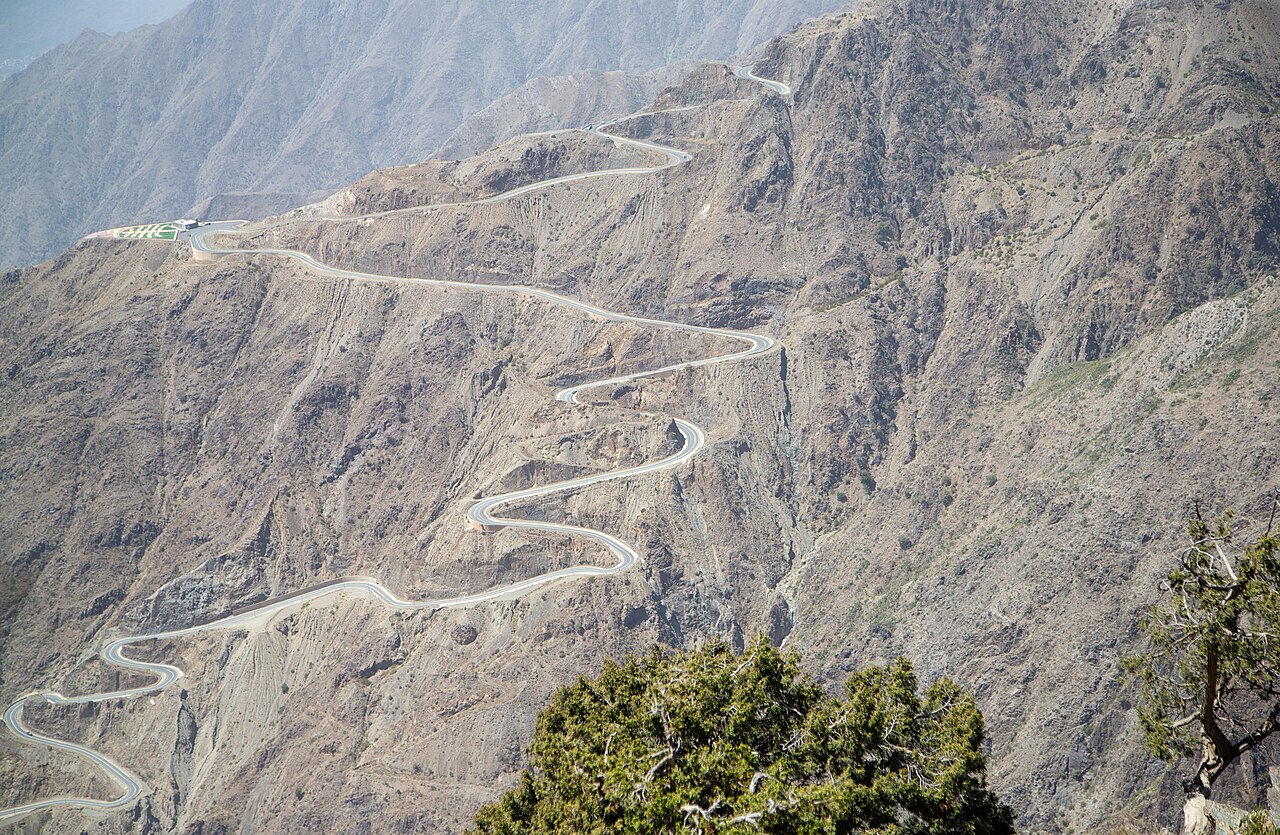
Begin with the authenticated report, then label inference as inference. Do not add details to the Prophet’s ﷺ biography merely because they are vivid. The accompanying photograph is likewise honest about its limits: it shows the Sarawat landscape, not the exact location of the exchange and not a reconstruction.
Rather than flattening the episode into “always forgive,” ask a more careful question: when a severe response is available, which right must be preserved, which harm must be stopped, and which door need not be closed? That keeps mercy from naivety and strength from revenge.
Hadith, photograph, and image rights checked on 26 October 2026